November 13, 2025

You’re about to pick up a bottle of wine… but with all the symbols, mentions, and logos on the label, it can be tricky to know what they really stand for. In fact, each label follows specific standards that reflect quality, environmental commitment, or particular production methods.
In this article, we’ll guide you through the most common wine labels to help you better understand what you’re choosing and enjoying.
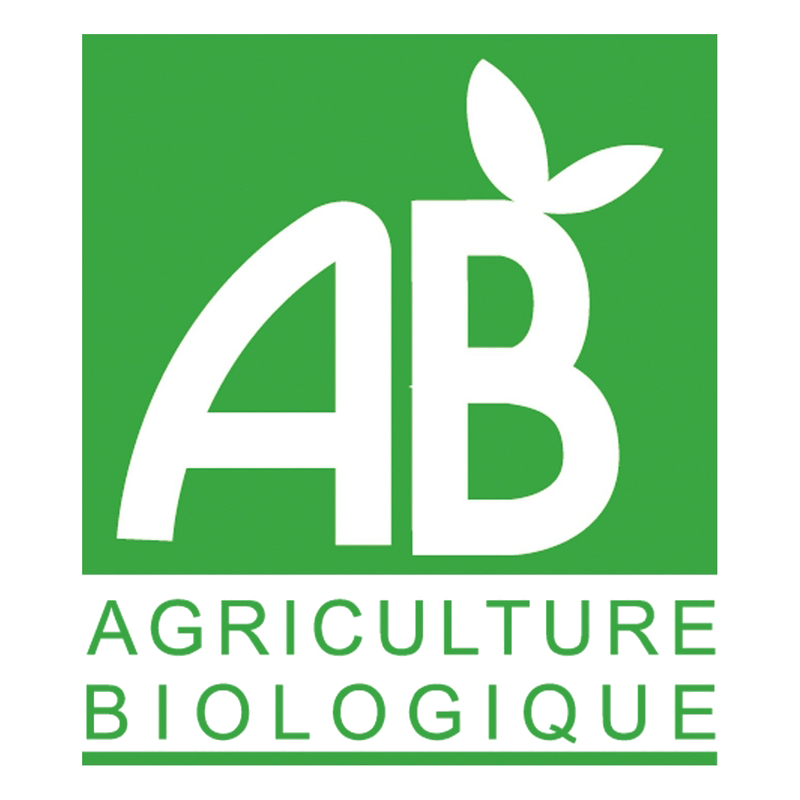
Created in France in 1985, this label guarantees that the wine comes from environmentally friendly agricultural practices. It certifies that the grapes are grown without synthetic chemical pesticides or GMOs and that production methods focus on soil health and long-term sustainability.
To receive the Organic Certified label, at least 95% of the agricultural ingredients used must be certified organic. This label ensures that winemaking meets strict organic farming standards while highlighting the eco-responsible practices of the winegrowers.
%20(1).jpg)
|
.jpg)
|
Domaine Maurice SchoechDiscover the estate's wines |
Domaine Wunsch & MannDiscover the estate's wines |

|
|
Domaine de ChasselayDiscover the estate's wines |
VinescenceDiscover the estate's wines |

|

|
Domaine de MontmarinDiscover the estate's wines |
Vignerons du SommieroisDiscover the estate's wines |

|
|
Château MentoneDiscover the estate's wines |

Introduced in 2012, the HVE label distinguishes vineyards committed to a global approach to respecting nature. It is structured around three levels of achievement: the first two acknowledge the adoption of eco-friendly practices, while level 3 represents the official ‘High Environmental Value’ certification.
This approach rewards estates that promote biodiversity, manage water responsibly, reduce chemical inputs, and maintain natural balances within the vineyard.
Created in 1993, Biodyvin brings together estates that practice organic farming alongside biodynamic methods. Biodynamics views the vine as a living ecosystem and aims to maintain a natural harmony with its surroundings, guided by the lunar cycle.
This cultivation method, inspired by philosopher Rudolf Steiner, relies on the cosmic influences of the moon and planets to enhance plant vitality and the richness of the terroir.
To earn Biodyvin certification, an estate must first hold AB certification, confirming that its vines are grown without chemical pesticides. Biodyvin winemakers are dedicated to maintaining the vineyard’s natural balance, minimizing chemical interventions, and employing winemaking techniques that express the terroir’s true character while respecting the environment.
Organic wine has become a strong movement, attracting both wine enthusiasts and environmentally conscious consumers. All certified organic wines carry the Organic Certified label, which guarantees that grapes are grown without synthetic pesticides and using methods that respect the land. However, being organic doesn’t automatically mean combining other labels such as HVE or Biodyvin.
The French organic wine market has evolved remarkably. According to a 2023 study by the French Institute of Vine and Wine, 39% of organic wine buyers are new consumers. This renewal of the consumer base shows that organic wine is appealing to a younger generation that is mindful of provenance, the environment and transparency in practices, opening up promising prospects for growth.
Beyond commitment, organic wine appeals for several reasons. It’s produced with fewer chemical inputs, better preserving the terroir and ensuring transparency in production. Its often lower content of added sulfites can be better tolerated by sensitive individuals and enhances its natural perception. Choosing organic is also a conscious, responsible act, particularly appreciated by younger generations.
Finally, quality remains a key argument: the more a buyer seeks high-quality wine, the more essential the organic label becomes.
Organic wine is no longer just an alternative, it’s a conscious preference, especially among younger generations. It attracts through both its values and its quality. This is not a passing trend but a structural shift in consumer behavior.
Yes, regulations strictly limit the addition of sulfites, but their presence is still permitted in small doses.
Sulfites are sulfur-based compounds commonly used as preservatives, notably in wine, to maintain freshness and stability.
Natural wine is made without chemical additives or industrial yeasts, often unfiltered.
Organic wine follows organic agricultural standards but may use certain additives authorized by regulation.
Not at all. Some winemakers work exceptionally well without seeking official labels, favoring artisanal methods that respect the terroir and produce equally unique wines with strong character and authentic expression.
No, every organic wine must be certified Organic Certified label, but it may or may not hold additional certifications.Some producers choose multiple labels to emphasize their environmental commitment, while others focus on their terroir-driven philosophy and winemaking approach.
Would you like to enhance your selection with the authenticity of certified French wines ?